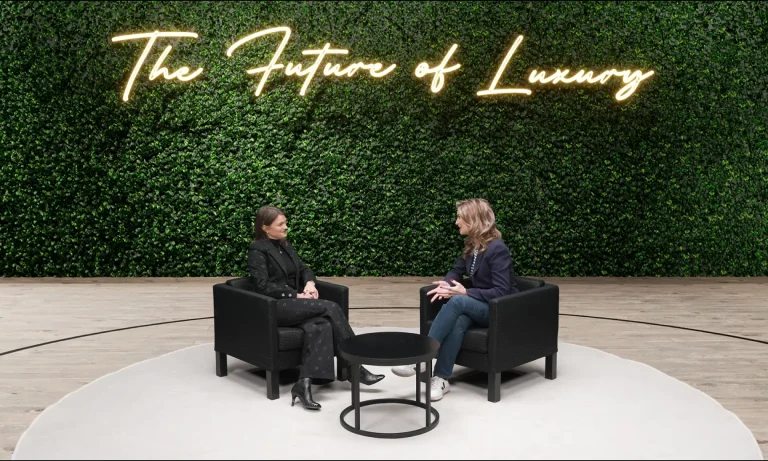
Virtual production brings together the digital and physical worlds in real-time, using technology. It combines traditional filmmaking with advanced tech to help creators realise their ideas.
In broadcasting, virtual production has long been used for creating real-time graphics in live shows, such as sports broadcasts and election coverage. It ensures that graphics stay up-to-date as the action unfolds.
Today, advancements in technology are revolutionising virtual production. Realistic, high-quality graphics are now essential not only for live broadcasts but also for animated content and all stages of film production.
Virtual production involves several techniques like previs, pitchvis, techvis, stuntvis (also called action design), postvis, and live compositing (known as Simulcam). It also includes virtual scouting, VR location scouting, and in-camera VFX (on-set virtual production). We'll discuss each below:
In traditional film production, everything happens in a step-by-step way: first, there's planning, then filming, and finally editing and adding effects.
But because you only see the final product at the end, making changes can be really hard and expensive. Sometimes, you have to redo everything from the beginning. This makes it tough for filmmakers to be spontaneous and make quick decisions.

Virtual production blurs the lines between planning and the final outcome, allowing directors, cinematographers, and producers to visualise the finished look much earlier in the process. This helps them make changes quickly and affordably, refining the story to match their creative vision. This approach saves time and money while enhancing storytelling quality.

Virtual production helps filmmakers see different parts of their film before, during and after making it, including live-action scenes and special effects or animation. This includes:
• PrevisLet's take a closer look:
Previs, short for previsualisation, has been around longer than modern virtual production. It's like a step up from hand-drawn storyboards, but in 3D.
In simple terms, it uses computer-generated imagery (CGI) to sketch out the main visuals and action before filming starts. This helps define how the script will look visually and allows for trying out different scenarios. For action scenes with little dialogue, previs also outlines the story elements that drive the plot forward.
Previs serves as a guide for what needs to be filmed live. It also forms the basis for VFX bidding, where studios compete for contracts to complete some or all of the shots.
Before, low-quality characters and assets were made fast using offline software, then put together. Now, with game engines filmmakers can make high-quality, realistic assets instantly. This lets them see their ideas clearly, make changes easily, and make smarter decisions as they go.
Using virtual cameras, or VCams, is a key part of virtual production, including previs. Filmmakers can control a camera from an external device, like an iPad, and record its movements. These camera motions help with blocking scenes, previewing depth-of-field settings for live action, and even serving as final shots for post-production.
Many filmmakers prefer using a physical device like an iPad over software interfaces because it feels more familiar and leads to more realistic camera movements in the digital world.
Pitchvis, short for Pitch Visualisation, is a type of previs done before a project gets approved. It shows stakeholders how the project will look and feel, helping them decide before investing in heavily in the project.
Techvis, short for Technical Visualisation, helps plan the technical needs for shots before the filming day.
It helps figure out what equipment, like cameras and cranes, is needed and where they should go. This includes checking if everything fits on set and deciding on physical or digital sets. Techvis uses simpler assets than previs and focuses on practical information to make shooting more efficient.
Stuntvis, short for action design, combines previs and techvis for planning physical stunts and action sequences. It demands precision to choreograph shots accurately, gain creative approval, and ensure safety for stunt performers.
Using advanced simulation technology, stunt crews can practice and perform simulated shots realistically. This boosts production efficiency, potentially reducing the number of shooting days needed.
Postvis, short for post-visualisation, happens after filming is done.
It's when visual effects are added to live-action footage that isn't finished yet. These shots often have green-screen parts that will later be replaced with CGI. Postvis usually mixes original previs with real-world footage.
Filmmakers use postvis to show their vision to the visual effects team and to improve VFX-heavy shots for editing. It helps them check the footage with visual guides, making sure everyone understands, even if the final VFX aren't ready. Early test screenings can also benefit from postvis to show a clearer picture of the final film.
Live compositing, often known as Simulcam, is another vital visualisation tool to explore. Unlike postvis, it blends live-action footage with CGI during the shoot itself.
James Cameron introduced this technique, called "Simulcam," during the making of Avatar. It allows filmmakers to overlay CG elements onto live action as they shoot, offering a clearer understanding of the final shot.
Live compositing is typically used to visualise CG characters driven by performance capture data, which can be live or prerecorded. Performance capture records actors' movements for transferring onto CG characters. This technique is commonly employed in various virtual production processes.
Virtual scouting is an essential part of virtual production.
It lets directors, cinematographers, and designers explore virtual locations in VR. This helps them understand the set's size and plan complex scenes. It's especially useful for designing tough sets and choreographing tricky scenes.
Virtual scouting isn't just for exploring locations. It also helps with set design. Teams can move digital objects around while experiencing the environment as if they were there in person.
These sessions are usually collaborative, with multiple team members joining in. They explore the set together, mark areas of interest, and decide which props should be physical and which can be virtual.
An extension of virtual scouting is VR location scouting.
In this case, the set is a real place. One team member may be sent ahead to capture the scene using photogrammetry tools, and then the other team members can review it remotely using virtual scouting software. This can save significant time and money on travel, especially if there are multiple locations to choose between.
In-camera VFX, also known as on-set virtual production or OSVP, is a filmmaking technique that involves shooting live-action scenes against a green screen.
This allows computer-generated environments to be added in real time, creating interactive scenes that move with the camera. It's not just about replacing backgrounds; the scenes are live and dynamic, providing a realistic viewing experience.
In traditional filmmaking, actors perform against a green screen, later replaced by computer-generated backgrounds. This requires imagination to envision the final scene. In contrast, with in-camera VFX, actors work in real environments, aiding convincing performances and creative decisions.
In some cases, in-camera VFX eliminates post-production, merging live-action footage with CGI for final frames, saving time and costs. Other times, it simplifies medium-difficulty shots, reducing post-production efforts.
Additionally, on green screen sets, lighting and timing are easily controlled, eliminating weather constraints. Scene continuity is seamless, quickly recalled, saving both time and effort.
Virtual production is revolutionising content creation. When it was once cutting-edge, it is becoming increasingly mainstream and another powerful tool in your storytelling armoury.
Remember, the key elements of virtual production are:
1. It blurs the lines between planning and the final outcome, so you can visualise the finished look much earlier in the processVirtual production is positively a cornucopia of possibilities for any production.
Of course, to get the very best out of this game-changing technology, hire real virtual production experts like Broadley Studio to make sure your shoot really does reach its potential...
At Broadley Studio, we have the in-house expertise and latest technology to create high-quality Virtual Production on green screen. We have over 25 years of experience helping productions like yours; our experienced team of professionals will provide the expert guidance and support you need throughout the production process.
Your production is safe in our hands.
Want to know more about how we shoot virtual production at Broadley? To get a flavour of what we can do for you, check out our latest showcase, case studies and studio specs. Or take a virtual tour of our studios.
To find out more about our studios and production services and how we can help you and your shoot, please call us on +442077255858 or email us at [email protected].
Or why not pop in and take a look around our studios...