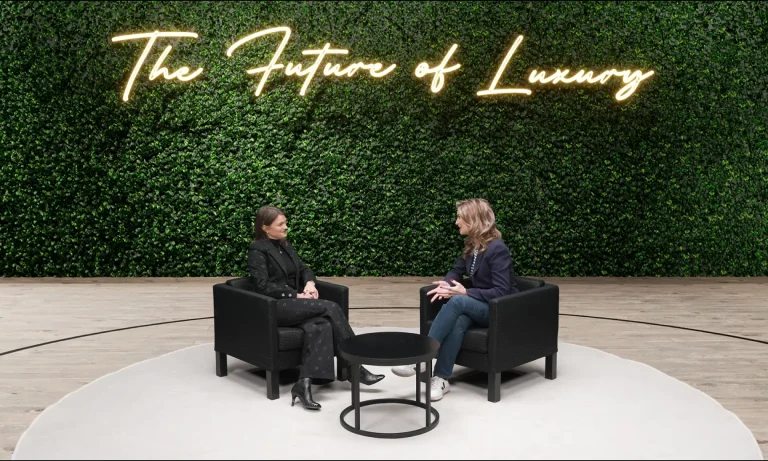
A practical guide on lighting virtual sets and how to blend physical lighting with virtual environments to create realistic and immersive sets.

Whether you are a filmmaker, producer, or content creator new to lighting virtual sets, this guide explains the essential concepts and key technologies.


Lighting is one of the most important elements when creating believable virtual production environments. For virtual sets to feel authentic, physical lighting on set must merge seamlessly with the lighting in the digital environment. Achieving this requires careful planning, collaboration, and understanding of both cinematography and virtual world construction.
It is essential that the cinematographer or lighting team are involved from the earliest pre-production stages of the virtual production. This involvement ensures that the lighting design for both the physical studio and the virtual environment are aligned and consistent. Much like traditional film crews develop detailed lighting plans, virtual productions need to have clear documentation of the lighting intent, positions, and styles of each light within the virtual set.
Grouping and labelling virtual lights, along with sharing notes on how the environment was constructed, helps the lighting team understand the expected interactions on set. For example, information about the type of virtual sky used or particular asset responses can significantly affect how lighting performs on the final output.
For the smoothest process, it is recommended to have the environment builder or architect available on the shoot day to assist with lighting adjustments. If this is not possible, a transparent handover to a virtual production supervisor or designated set manager should occur.
Pre-production collaboration can be enhanced by sharing screens and digital workstations remotely, allowing teams to develop a common language and understanding of the virtual set’s lighting characteristics well before filming begins. This collaborative approach reduces confusion and streamlines lighting set-up on the day.

One of the biggest challenges in virtual production lighting is ensuring that the physical lighting rig in the studio matches the in-engine lighting within the virtual environment. This matching is crucial to creating the illusion that actors and objects are truly part of the virtual world.
Physical lights should be positioned and configured to complement the digital lighting and shadows produced by the virtual scene. This requires the lighting team to understand the virtual lighting conditions such as time of day, weather, and artificial light sources in the environment.
By synchronising lighting between the physical and virtual spaces, the production can avoid jarring inconsistencies like mismatched shadows or colour tones. When done well, this blend helps presenters and talent appear naturally integrated within the digital background.
Virtual Production blends live-action filming with real-time digital environments, enabling actors and crew to perform in front of green screens while viewing complete virtual worlds on monitors or through in-camera visualisation systems.
Green screen setups can be prone to light spill, where green reflections bounce onto the talent or props, complicating the keying process in post-production. Proper physical lighting design minimises this spill by carefully controlling light direction and intensity.
Additionally, virtual sets require attention to how shadows are cast on both real and digital elements. Shadows contribute significantly to the perception of depth and realism, so accurate shadow mapping and alignment between virtual and physical shadows are vital.
Virtual production benefits from iterative workflows. It is important to allocate time for lighting tests and rehearsals on set so that any issues with blending physical and virtual lighting can be identified and corrected early.
Rehearsals allow the lighting team to observe how changes affect talent appearance and virtual set integration, providing critical feedback before actual filming.
Lighting in virtual production continues to evolve with improvements in real-time rendering, LED volume technology, and advanced tracking systems. These advances in lighting virtual sets promise even greater fidelity and flexibility for blending physical and virtual lighting in future productions.
How well you light any virtual set can make or break your production. Broadley Studios is here to help you blend physical lighting with your chosen virtual environments to make your shoot the best it can be.
Creating realistic and immersive virtual sets requires a thoughtful marriage of traditional cinematography and cutting-edge digital technologies. Success depends on early collaboration, clear communication, and careful synchronisation of physical and virtual lighting.
By following best practices and embracing an iterative, team-oriented approach, productions can deliver striking visual experiences that captivate audiences while benefiting from the efficiencies and creative possibilities of virtual production.
If you are planning a virtual production and want expert advice on lighting design and execution, Broadley Studios is here to help. Our team combines cutting-edge technology with creative expertise to bring your virtual worlds to life.
Please call us on 0207 725 5858 or email us at [email protected] to discuss your next project.
Broadley Studios - For People with Something to Say