Capt. Pete “Maverick” Mitchell (Tom Cruise) in the cockpit in a scene from the sequel “Top Gun: Maverick.” (Photo by Scott Garfield, courtesy of Paramount Pictures.)
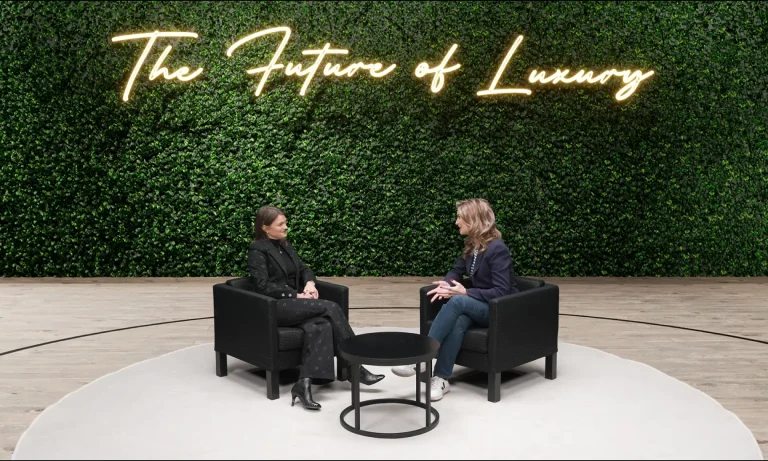
Virtual sets have transformed the way stories are told on screen, opening up worlds limited only by imagination. From sweeping vistas in sci-fi epics to intimate branded content shoots, virtual production empowers creators to design and control environments live, blending the physical and digital with flawless harmony.
If you’re curious about how virtual sets come to life, what goes into their creation, and why so many productions are adopting this cutting-edge technique, you’re in the right place.
This article explores the creative journey behind building virtual sets, offering insight and inspiration for filmmakers, producers, and content creators eager to harness this powerful tool.

This article explores the creative journey behind building virtual sets, offering insight and inspiration for filmmakers, producers, and content creators.


Imagine filming inside a stunning stadium, a bustling cityscape, or even an alien world, all without ever leaving your studio. Virtual sets make this possible. They offer boundless creative freedom, reduce the logistical challenges of location shoots, and allow instant changes on set.
Beyond convenience and cost savings, virtual sets unlock fresh storytelling possibilities. Directors can craft every inch of a world exactly as they envision it. Lighting and camera moves become precise, creating an illusion of interaction between actors and the environment. In reality, this interaction is crafted through real-world factors such as lighting and live compositing, which combine to enhance performances and deepen immersion.
Creating virtual sets begins long before filming. It involves close collaboration between concept artists, environment designers, camera teams, and producers. Every creative decision shapes the final experience, from the smallest texture detail to the vast sky above.
Every virtual set starts with a vision. This might be a faithful recreation of a real-world location, like a famous stadium or landmark, or a completely imagined world tailored to the story’s needs.
During this phase, traditional sketching is less common. Instead, mood boards, reference photos, and concept art help set the tone and style. The team considers questions like: What feeling should the space evoke? What story elements will it support? Should it be warm and inviting, stark and futuristic, or gritty and textured?
Once the vision is clear, 3D artists bring the world to life using specialised software. For this project, 3ds Max was the software of choice. Artists model every building, tree, and prop, focusing on details that add realism and believability.
A key challenge at this stage is balancing detail with performance. The more complex the virtual set, the heavier the data and processing load. Creators must decide which elements require ultra-high detail and which can be simplified without sacrificing visual impact. This balance ensures smooth rendering during filming.
A key challenge at this stage is balancing detail with performance. The more complex the virtual set, the heavier the data and processing load. Creators must decide which elements require ultra-high detail and which can be simplified without sacrificing visual impact. This balance ensures smooth rendering during filming.
Lighting is the heart of any set, virtual or physical. Designing lighting for virtual environments is both technical and artistic. Camera teams work closely with environment builders to match the scene’s mood and style.
One unique advantage is the ability to manipulate lighting dynamically. Sunrises can last as long as needed. Shadows follow camera movement precisely. Reflections and ambient light adjust instantly, giving directors unprecedented creative control.
Creating virtual sets is not only about what’s on screen. It must blend perfectly with the physical studio. This requires careful coordination between virtual and real elements.
Lighting on set is carefully matched to the virtual environment’s lighting, so actors naturally appear within the scene. Camera movements in the studio synchronise with virtual cameras in the digital space, ensuring every angle and focus point feels authentic.
This synergy allows directors and actors to see and interact with the virtual set during shooting, rather than imagining or waiting for post-production. The result is a deeply immersive experience for everyone involved.
Virtual production has opened doors to creative possibilities once limited by physical constraints. To inspire your imagination, here are standout examples of how filmmakers have used virtual sets to create captivating worlds.
This sci-fi film starring Tom Cruise pushed virtual sets beyond traditional green screen by using a wraparound backdrop with live projections of skies and clouds. This allowed actors to respond naturally to their surroundings, enhancing the authenticity of their performances. The combination of physical set pieces with live visuals marked an early milestone in modern virtual production.
Industrial Light & Magic’s proprietary StageCraft technology allowed this film to break new ground. Entire environments were created as digital sets where traditional camera movements and cinematography took place. The technology even supported digital resurrection of actors, integrating seamlessly with the virtual backdrop to tell an epic story with unprecedented visual depth.
Jon Favreau’s reimagining of this classic was crafted entirely within a virtual world. Using virtual reality tools, the production team navigated the digital environment much like a physical set, moving virtual cameras to capture scenes with real-world cinematographic techniques. The result was a lifelike film that blurred the line between animation and live action, redefining what virtual sets can achieve.
Martin Scorsese’s epic used virtual production to realistically age actors across decades without heavy makeup. Special cameras captured performances on virtual reproductions of sets, allowing digital adjustments that made actors appear younger or older. This showcased virtual production’s versatility beyond scenery, focusing on enhancing performances.
The majority of the death-defying aerial manoeuvres in Top Gun: Maverick were 100% real, giving the film its spectacular look and widespread acclaim. Yet virtual sets still played a vital role, particularly for close ups and cockpit shots that could not be captured safely in flight. VFX supervisor Ryan Tudhope explained that virtual techniques were used to integrate real footage, clean up shots, and show pilots’ expressions clearly, blending practical stunts with seamless digital enhancement.
Blending physical and virtual, this action film was shot on a stationary train set surrounded by LED walls displaying moving cityscapes. This setup created the illusion of motion and dynamic lighting effects while maintaining production control. It’s an example of how virtual environments can combine with physical sets to produce visually stunning and efficient results.
Virtual production offers great power, but success depends on careful planning and collaboration. Keep these in mind:
Virtual sets offer a unique blend of creativity, flexibility, and practicality:
Virtual sets represent an exciting frontier for content creation. They offer storytellers a dynamic canvas that adapts and evolves with their vision, breaking barriers and opening new possibilities.
Whether you are a filmmaker, producer, or brand creative, embracing virtual sets can elevate your projects to new heights. By focusing on the creative process, thoughtful design, and collaboration, you can build immersive environments that captivate audiences and transform ideas into stunning realities.
If you want to explore how virtual sets can transform your content creation, reach out to our expert team. We’re here to help bring your creative vision to life with precision and flexibility.
Please call us on 0207 725 5858 or drop us a line [email protected].
Broadley Studios - For People with Something to Say