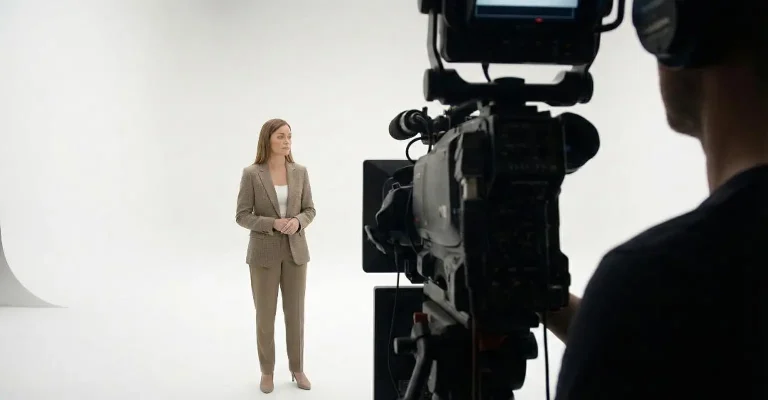
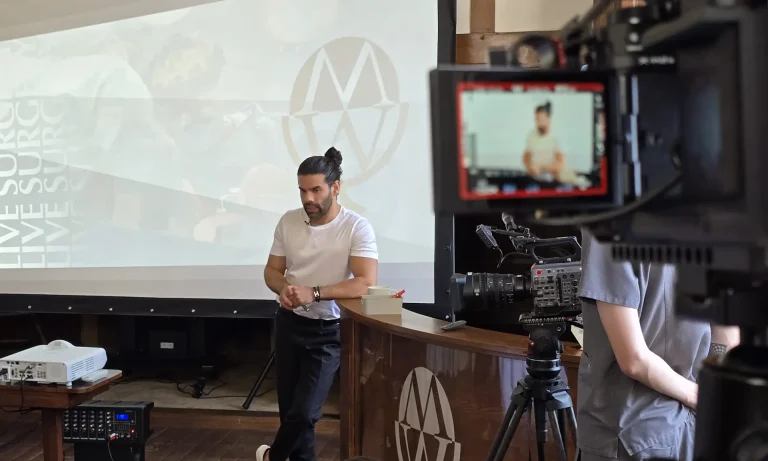
Television is a powerful medium, where visuals and sound come together to create an engaging experience for the viewer. While the visuals capture attention, it’s the sound production that often conveys the emotional tone, depth, and clarity of the content. As a sound engineer in television broadcasting, you hold the key to shaping that audio experience.
The quality of your work can enhance the narrative, drawing viewers into the world of the broadcast. But to master this role, you need a deep understanding of audio techniques, equipment, communication, and problem-solving skills that are unique to television.
In this guide, we’ll explore the critical aspects of sound production for television broadcasts - from mastering the equipment to navigating the studio environment and dealing with the high-pressure demands of live production.
Ready to take your skills to the TV world? Here’s how to prepare:
At the heart of any television studio is a sophisticated setup of audio equipment, and as a sound engineer, you must be intimately familiar with it.
Your central hub is the broadcast console. This mixing console is the brain of the audio operation, where you balance, process, and route audio signals coming from various sources - such as microphones, playback devices, or external feeds. Being adept with a broadcast console means understanding how to control multiple sound elements simultaneously and maintaining an intuitive feel for the flow of the production.
Microphones are one of the key inputs in a broadcast studio. Depending on the type of production, you’ll encounter a variety of microphones.
In news or talk shows, lavalier microphones are commonly used to capture the presenter or guest’s voice in a discreet manner. These small clip-on mics allow for clear, close-proximity recording without drawing attention.
In outdoor or action-heavy scenes, shotgun microphones are often employed due to their ability to capture sound from a distance while rejecting off-axis noise. Mastering the placement and understanding the pickup patterns of these microphones is vital to ensure clarity and presence without picking up unwanted background noise.
Beyond the microphones and console, you also need to be skilled with various audio processors like equalisers (EQ) and compressors. These tools help fine-tune the sound, ensuring everything is balanced and within broadcast standards. The audio must pass seamlessly through these systems to the final broadcast output, whether it's for live television, recorded programming, or streaming platforms.
Microphone placement is a delicate and essential art in sound production and television broadcasting.
Poor placement can lead to muffled dialogue, unwanted background noise, or fluctuating levels that require constant correction. When setting up microphones for interviews, talk shows, or news broadcasts, it's important to consider the distance between the microphone and the speaker.
Too close, and you risk the proximity effect, which boosts low frequencies and makes voices sound unnaturally bass-heavy. Too far, and you might lose the clarity or pick up too much ambient sound.
In panel discussions or multi-guest formats, each participant should have a mic that’s placed at a consistent distance from their mouth, ensuring that all voices sound balanced in the mix. This becomes even more crucial in live broadcasts, where there’s little room for error.
Managing off-mic moments, where a person turns their head away from the microphone while speaking, can also be a challenge. In such cases, you need to be ready to adjust levels quickly on the console to maintain clarity.
In outdoor broadcasts - whether it’s a live event, sports, or remote reporting - ambient sound can create significant challenges. Wind, traffic, or crowd noise can easily overwhelm the intended audio. This is where microphone choice and placement are crucial.
Windshields, sound blankets, and positioning the mic to face away from noise sources can help maintain clean audio. Shotgun microphones with focused pickup patterns are often employed to reject unwanted sounds, ensuring that the presenter or subject is clearly heard despite the environment.
Working on sound production in a television studio involves more than just managing the audio; it requires strong communication and coordination with the entire production team.
As a sound engineer, you’re working in close collaboration with directors, camera operators, producers, and on-air talent. Building clear lines of communication is key to the smooth operation of any broadcast.
For example, in a live production, directors may ask for changes to the audio mix on the fly - perhaps boosting the levels for a guest who speaks softly or cutting back ambient sound for a quieter moment. Staying in sync with the rest of the production team through intercoms or hand signals is essential for real-time coordination.
Adhering to studio safety protocols is also important. Cable management, proper handling of microphones, and ensuring that no equipment obstructs camera angles or interferes with other crew members are all part of maintaining a professional and safe environment. Mistakes or miscommunication can disrupt the entire broadcast, so being proactive and aware of your surroundings is vital.
Broadcast audio is held to strict standards and regulations that ensure consistency, prevent distortion, and maintain viewer comfort. One of the most important aspects of this is understanding loudness.
The modern broadcast industry has adopted standards like LUFS (Loudness Units Full Scale) to measure perceived loudness rather than just peak levels. This ensures that when viewers switch from one channel or program to another, they don’t experience drastic jumps in volume.
Loudness compliance is crucial, particularly in live TV. If a sudden spike in volume - like a loud audience cheer or unexpected loud sound - occurs, it could disrupt the broadcast and lead to viewer complaints or penalties from regulatory bodies.
As an audio engineer, you should also be familiar with audio codecs such as AAC or MP3, which compress audio for transmission. Different codecs may be used depending on whether the content is for broadcast, streaming, or archiving. Understanding how these formats affect sound quality and file sizes can help ensure that your audio is prepared for any platform.
Additionally, you’ll need to know when to apply stereo or surround sound mixing. A standard news broadcast might only require stereo audio, but a sports event or large-scale live performance could benefit from the immersive quality of surround sound. These decisions are usually made based on the type of content and the viewing platform.
Live television is where the real-time pressure of sound production reaches its peak.
There’s no margin for error, and you must be ready to react immediately to audio issues as they arise. Whether you're mixing audio for a game show, a sports event, or a breaking news broadcast, the ability to stay calm under pressure is critical.
Live mixing requires balancing multiple audio sources. For example, in a live talk show, you might have several microphones for guests, background music, pre-recorded segments, and sound effects to manage all at once. Each element needs to sit well in the mix, with dialogue always taking priority.
Critical listening skills are key in these moments. You need to recognise when certain frequencies clash, or when there’s an imbalance between voice and background sound. Sometimes, external sounds like audience reactions or unexpected environmental noise creep into the broadcast, and you have to adjust levels or EQ quickly to maintain clarity.
Compression and limiting also play a vital role in live situations, ensuring that sudden peaks in volume, like a loud laugh or applause, don’t overwhelm the mix.
Though live mixing is often done on a console, many post-production tasks, including editing and pre-recorded content, are handled through Digital Audio Workstations (DAWs). Pro Tools, Adobe Audition, and similar software are invaluable for precise editing, mixing, and mastering in television audio.
DAWs allow you to fine-tune your audio with advanced effects, automation, and multitrack layering. For pre-recorded programs, you’ll likely spend a good deal of time in a DAW ensuring that audio elements are perfect before the final broadcast.
Another major advancement in TV broadcasting is the rise of Audio-over-IP (AoIP) technologies like Dante and AES67. These protocols allow for the seamless routing of high-quality audio over network systems, reducing the need for traditional analog cables and patch bays. Understanding these technologies can significantly improve efficiency in the studio and open up new possibilities for remote broadcasting.

(Insert Image 4a Dante Controller)
Dante controller acts as a virtual patch bay for all your AoIP connected Devices.
Experience is your best teacher in the world of television broadcasting.
If you’re just starting out in sound production, seek internships or volunteer opportunities at local television stations, production companies, or live event setups. Shadow experienced engineers, learn the ins and outs of the job, and gain hands-on experience with the equipment and workflows of a live broadcast environment.
The more you work in a real-world setting, the better you’ll become at making quick decisions and troubleshooting on the fly. Every live production presents its own unique challenges - whether it’s handling technical issues, adapting to changing production requirements, or working with high-profile talent.
These experiences are invaluable in shaping you into a skilled broadcast sound engineer.
As you gain experience in sound production, it’s important to document your work and build a professional portfolio.
Include examples of your best work across various types of television programming - news, talk shows, sports, and documentaries. A diverse portfolio showcases your versatility and proves that you can handle the unique audio requirements of different genres.
Networking is also crucial in the broadcast industry. Attend industry events, workshops, and conferences where you can meet other professionals and stay updated on the latest trends and technologies. Building relationships with colleagues in the industry can lead to job opportunities, collaborations, and even mentorships that help guide your career.
Television is fast-paced, and no two broadcasts are ever exactly the same. Adaptability is one of the most important skills you can develop as a sound
In the fast-paced world of television broadcasting, adaptability and resourcefulness are essential traits for a sound engineer. The ability to quickly resolve audio issues and adjust to changing circumstances can make or break a live broadcast. Every broadcast is a dynamic environment where unexpected challenges often arise, and as the sound engineer, it’s your job to ensure the audio runs smoothly regardless of the situation.
One of the most critical aspects of working in live television is the ability to solve problems as they occur.
Whether it's an issue with a presenter’s microphone cutting out or unwanted background noise suddenly disrupting a broadcast, quick and efficient problem-solving is key.
For example, during a live talk show, a guest’s lavalier mic might start picking up rustling from their clothing, causing distortion in the audio feed. As the sound engineer, you need to identify the problem immediately and decide on a solution without disrupting the flow of the show. You might have to reduce the gain on that microphone, adjust the EQ to minimise the disturbance, or switch to a backup mic if necessary.
In sound production, the ability to think on your feet and apply these solutions without hesitation is what keeps a broadcast on track.
Television production schedules are often subject to last-minute changes.
A segment that was initially planned to be pre-recorded might switch to live coverage, or a breaking news event could force a sudden alteration in the audio setup. In these situations, you need to be flexible and prepared to adjust your approach.
For example, if a scheduled outdoor segment moves indoors due to weather, you’ll need to quickly recalibrate the microphone setup to account for the acoustics of the new environment. What might have worked well outdoors with directional microphones for background noise rejection now needs to be adapted for an echo-heavy indoor space.
Adjusting your mic placements, using sound blankets, or tweaking the EQ to minimise room resonance are all ways you can adapt your audio plan on the fly.
Television broadcasting is constantly evolving, with new technologies and standards shaping how audio is handled.
As a sound engineer, staying on top of these changes and adapting to new technical requirements is part of the job. For instance, if your station adopts a new Audio-over-IP (AoIP) system, you’ll need to quickly familiarise yourself with the new equipment and protocols, ensuring that your audio routing and mixing workflow integrates seamlessly into the updated infrastructure.
Additionally, regulatory standards such as loudness normalisation need to be adhered to, and you might find yourself needing to adjust levels in real-time to meet these regulations. Being adaptable means knowing when and how to make these technical changes without impacting the quality of the broadcast.
Sometimes, equipment fails or technical issues arise that require creative solutions.
For instance, if a vital piece of audio gear malfunctions minutes before going live, you may have to reroute the signal through backup equipment, quickly assess the situation, and work with the production team to implement a fix - all while maintaining calm under pressure.
The more resourceful you are, the better equipped you’ll be to handle these challenges. Keep a backup plan ready for each aspect of the broadcast - whether it’s spare microphones, alternative signal paths, or pre-programmed EQ and compression settings.
In the high-stakes world of television broadcasting, sound engineers play a critical role in shaping the viewer’s experience.
The blend of technical expertise, communication, and creative problem-solving required to ensure smooth audio is what makes the job both challenging and rewarding. From understanding your gear to mastering live mixing under pressure, adaptability is key to navigating the complex and ever-evolving environment of a TV studio.
So, to master sound production in a TV studio:
1. Become familiar with and confident in using the array of audio equipment you will encounter from microphones to broadcast consoles.As a sound engineer, your ultimate goal is to deliver a seamless auditory experience that enhances the visual narrative.
Whether it’s capturing crystal-clear dialogue during an interview, balancing background sounds during a live event, or troubleshooting unforeseen technical issues in real-time, your ability to stay calm and make quick decisions is paramount.
By continuously honing your sound production skills, keeping up with industry advancements, and maintaining strong communication with the rest of the production team, you not only ensure the broadcast’s success but also elevate the overall quality of the viewer's experience.
Television sound engineering is as much an art as it is a science, and with every broadcast, you have the opportunity to leave your sonic signature on the final product.
Conquering the TV studio isn’t just about mastering the tools of the trade - it’s about refining your instincts, staying adaptable in the face of change, and always being prepared for the unexpected.
With dedication and a commitment to learning, you can thrive in the fast-paced world of television broadcasting, delivering top-tier audio that leaves a lasting impact on audiences everywhere.
Broadley Studios has over 25 years of experience working with the full spectrum of productions from explainer videos to live streaming, podcasts to virtual production films. Based in Marylebone, Central London, we have the state-of-the-art facilities coupled with sound production experts like Kerem and the expertise to make your production the best it can possibly be.
If you want any more information about sound production or any info about shooting with us, please feel free to reach out to us and discover how we can help you and your production on +442077255858 or email us at [email protected].
The Broadley Team
Broadley Studios – For People With Something to say