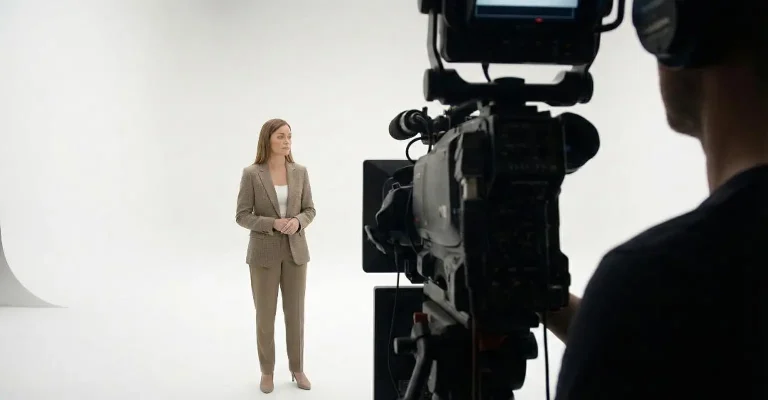
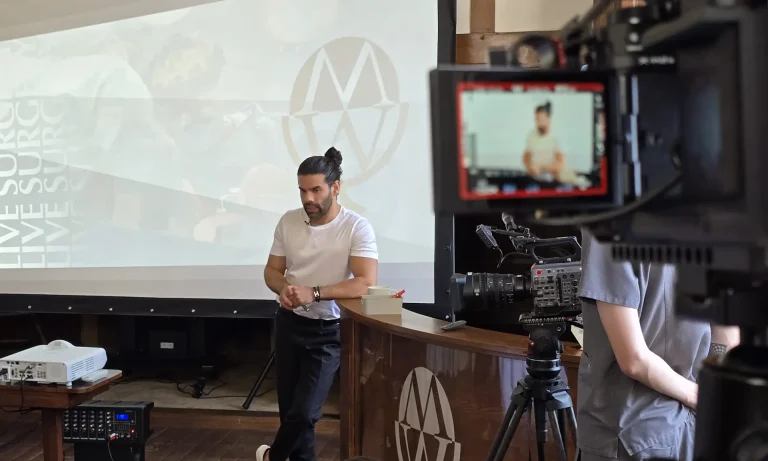
In the fast-paced, high-stakes environment of a television broadcast studio, the sound engineer holds a critical role.
We are the unseen architects of the auditory experience that complements and elevates the visual story unfolding on screen. Every word spoken, every ambient sound, every effect we hear on air goes through a meticulous process of shaping and refining.
When it comes to sound sculpting, two of the most powerful tools we have at our disposal to achieve this balance are equalisation (EQ) and compression.
In a television broadcast studio, equalisation (EQ) is one of the most critical tools in a sound engineer’s arsenal.
It allows us to shape the audio landscape (sometimes know as sound sculpting) with precision, ensuring every element - whether it's dialogue, sound effects, or ambient noise - has its own defined space in the mix. This is essential in a live or pre-recorded broadcast environment where multiple audio sources, from presenters and guests to background sounds and on-set effects, are all competing for attention.
In a TV broadcast, clear and intelligible dialogue is the priority.
Whether you're mixing for a live news program, a panel discussion, or a reality show, the dialogue from hosts, guests, or actors needs to be front and centre. However, not all voices are created equal. Different speakers have different tonal characteristics, and some may have natural resonance or problematic frequencies that need adjusting to blend seamlessly into the mix.
For instance, imagine a live panel discussion where one speaker has a voice that sounds overly bass-heavy and boomy, while another guest has a voice that's thin and lacks presence. By using EQ, we can correct these issues.
With the boomy voice, a sound engineer might apply subtractive EQ, carefully reducing low frequencies around 100-250 Hz to reduce the boominess while still retaining the speaker’s warmth. For the thinner voice, boosting the mid-range frequencies can help add body and presence, ensuring that all speakers are balanced and intelligible to the audience.
In this scenario, each voice must be treated individually, with careful attention to the specific qualities of each person’s voice to ensure clarity without creating an unnatural sound.

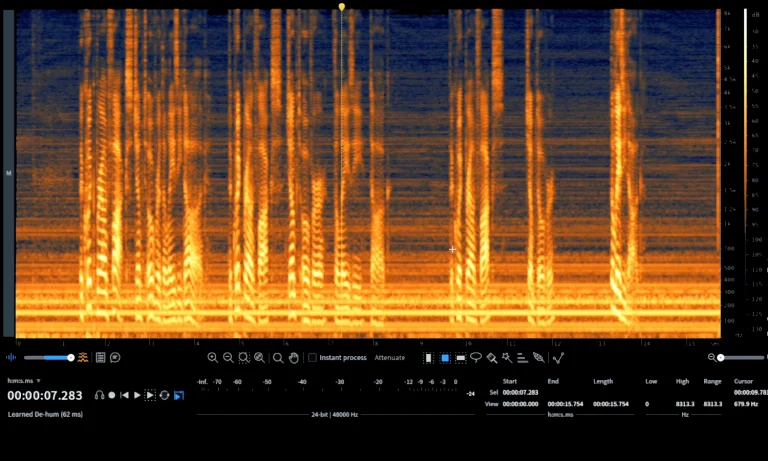
In a broadcast studio, there are often environmental sounds that need managing. This could range from the hum of air conditioning units to the mechanical noise from cameras or set equipment. These are inevitable sounds in a TV studio, but with the help of EQ, they can be minimised without compromising the core audio content.
For example, a common issue is the low-frequency hum from HVAC systems or lighting rigs. In this case, we might apply a notch filter - a technique where we cut very specific frequency bands (such as 60 Hz or 50 Hz depending on the power system). This way, we can remove the unwanted noise while preserving the natural sound of the dialogue or other audio elements.
Similarly, in a live broadcast with open microphones, certain microphones might pick up background chatter or on-set noise. Here, reducing unwanted frequency bands with subtractive EQ can help maintain clarity in the main audio feed.

Outdoor broadcasts, such as live events or sports coverage, bring their own unique set of challenges when it comes to sound sculpting and managing audio. External noises like traffic, wind, or crowd sounds can easily overwhelm the primary audio, especially if not handled properly. EQ becomes a vital tool in these situations.
Imagine a live outdoor interview near a busy street. Without proper EQ adjustments, the sound of passing cars might overpower the dialogue. By identifying and reducing specific low-frequency rumble caused by traffic, we can clean up the mix, ensuring that the dialogue is audible and clear. A high-pass filter, which cuts frequencies below a certain point (often around 80 Hz), is particularly useful for reducing rumble and low-frequency noise while keeping the dialogue intact.
Similarly, crowd noise in a sports broadcast can be controlled by using EQ to reduce mid-range frequencies that might compete with the commentator’s voice. By focusing on the frequencies that make the crowd noise less prominent, we can ensure that the announcer’s commentary remains the primary focus.
Another frequent issue in a broadcast setting is sibilance or harsh high frequencies, which can make voices sound sharp or piercing, particularly when using certain types of microphones in close-up settings. Sibilance typically occurs in the 5 kHz to 8 kHz range and can become distracting if left unchecked. EQ allows us to tame these frequencies, reducing the sharpness while still maintaining the clarity of the dialogue.
For example, if a guest or presenter’s voice sounds too sharp or has excessive “S” sounds, a targeted EQ cut in the offending frequency range can soften these elements, making the sound more pleasant for the audience, especially during long broadcasts.

The ultimate goal of using EQ in television broadcasts is to create a balanced, natural sound.
The audience shouldn’t be distracted by harsh, boomy, or muddy audio; instead, they should be immersed in the broadcast content. By carefully carving out space for each sound source with EQ - whether it’s dialogue, background noise, or effects - we ensure that nothing competes unnecessarily for the listener’s attention.
In a high-pressure environment like a live broadcast, where sound must be constantly monitored and adjusted in real time, EQ is the tool that allows us to maintain clarity and focus. Whether we’re dealing with complex multi-mic setups, outdoor environments, or unpredictable studio conditions, EQ gives us the power to sculpt the audio space and deliver a seamless, professional sound to the audience.
It isn’t just about tweaking a few frequency knobs - it’s about shaping the audio landscape to serve the content and enhance the viewer’s experience. By mastering EQ, sound engineers can ensure that the dialogue, background sounds, and effects all have their own space, resulting in a clear, balanced, and engaging broadcast.
In the world of TV broadcast audio, compression plays a pivotal role in sound sculpting, ensuring that sound remains smooth, consistent, and free from distracting fluctuations.
While EQ allows us to shape the tonal quality of individual sound sources, compression acts as the overseer that ensures those sounds stay within a controlled dynamic range, especially when multiple audio sources are at play.
In live broadcasts, this is especially critical, where unpredictable volume spikes or dips can occur at any moment. As sound engineers, we rely heavily on compression to keep the audio experience for viewers clear, balanced, and professional.
TV broadcasts often feature a mix of pre-recorded segments, live interviews, on-the-fly commentary, and outdoor reporting.
In many of these scenarios, sound levels can vary dramatically. For instance, in a live talk show, a host might speak softly during an emotional moment, while a guest might suddenly laugh or shout, creating a significant spike in volume. Similarly, in a live sports broadcast, a commentator’s calm play-by-play can be interrupted by a sudden surge in excitement when a game-changing moment happens, causing their voice to rise sharply.
Without compression, these fluctuations can result in an unpleasant viewing experience. Viewers may have to constantly adjust their volume as audio levels bounce between too quiet and too loud. Compression solves this issue by managing those dynamic shifts automatically. It reduces the volume of the louder sounds (like sudden shouting) while allowing quieter sounds (like soft dialogue or commentary) to remain audible. This ensures a consistent listening experience throughout the broadcast.

Let’s take the example of a live newscast.
The anchor in the studio might maintain a steady volume, but when the broadcast cuts to a reporter outdoors, unexpected noise could create an issue. A gust of wind might blow into the reporter's microphone, or background chatter from a crowd might suddenly spike in volume. These distractions could drown out the reporter’s voice, making it difficult for viewers to follow the news.
This is where compression becomes essential.
By setting a proper threshold, we can tell the compressor at what volume level it should start working. In this case, if the wind noise exceeds the threshold we’ve set, the compressor will step in and reduce the volume automatically. Ratio is another important setting - it determines how much the volume is reduced once it crosses the threshold. For instance, with a 4:1 ratio, for every 4 decibels above the threshold, the compressor only allows 1 decibel to pass through, effectively controlling those sharp peaks.
Additionally, the attack and release settings help manage how quickly the compressor responds to sudden volume changes and how long it takes to return to normal. For sudden loud noises like gusts of wind, a fast attack can immediately lower the volume before it becomes disruptive. A slower release allows the audio to gradually return to normal, preserving the natural dynamics of the reporter’s voice.

While compression is vital for controlling erratic audio levels, overusing it can be just as problematic as not using it at all.
Over-compression flattens the natural dynamics of sound, making everything feel overly controlled and lifeless. In a live talk show, for example, if we compress the audio too much, the lively back-and-forth between host and guest can lose its energy, with both voices sounding unnaturally even and restrained.
On the flip side, under-compressing the audio can lead to abrupt volume changes. Imagine cutting from a quiet, emotional segment to a loud commercial or another segment with a lot of background noise. The sudden jump in volume would jar the audience, disrupting the flow of the program and making the broadcast feel less polished.
The key to effective compression, and sound sculpting, in TV broadcasting is finding the balance that maintains the natural dynamics of speech while preventing uncomfortable volume spikes.
This requires a deep understanding of the source material (whether it’s a newscast, sports event, or live interview) and the specific settings that will achieve the best results for each scenario. For instance, a live news report might require a different compression approach than a fast-paced sports broadcast, where rapid audio fluctuations are more common.
In a television broadcast and sound sculpting, compression doesn’t work in isolation.
It must be carefully integrated with other sound design tools, including EQ, panning, and even background noise management. When used properly, compression acts like a team player, ensuring that all audio elements - whether it’s the dialogue of a host, the excitement of a live audience, or the ambient noise from an outdoor event - are controlled and balanced within the larger mix.
It’s also crucial to keep in mind that compression settings might need adjustment as the broadcast evolves. For example, a live interview may start calmly but could escalate with multiple speakers talking over each other, requiring you to adjust the threshold and ratio in real-time to prevent audio clutter. In these situations, having a clear understanding of how compression interacts with other audio elements is essential for keeping the broadcast smooth.
It is the unsung hero of sound sculpting and TV broadcast audio, quietly working behind the scenes to ensure that sound levels stay within a comfortable range.
Whether it’s taming the peaks of a live sports commentator or smoothing out the background noise of an outdoor report, compression keeps the broadcast professional and polished. By understanding how to fine-tune its various settings - threshold, ratio, attack, and release - sound engineers can maintain consistency in the mix, ensuring a seamless experience for the audience.
In the ever-unpredictable world of live television, compression is the guardian that keeps the audio in check.
In television broadcast audio engineering, the most valuable asset isn’t found in the racks of equipment or the software we use; it's our ears.
When it comes to sound sculpting, the ability to critically listen and make nuanced decisions about sound is what separates a good mix from an exceptional one.
In the context of TV broadcasting, where audio must translate well across various devices - from high-end home theatre systems to the tiny speakers on smartphones - training your ears is paramount. Our ultimate goal is to create a balanced and cohesive audio mix that works seamlessly across all these playback systems while delivering the intended impact for the viewer.
The first step in developing sharp auditory skills is actively listening to well-mixed broadcast audio.
As sound engineers, we can learn a great deal by dissecting the soundscapes of different TV formats: a live sports event, a breaking news broadcast, a talk show, or a scripted drama. Each programme presents its own audio challenges, from capturing the energy and immediacy of live events to the clarity required in a multi-participant talk show.
Pay close attention to how dialogue is balanced with background sounds.
Notice how subtle shifts in the EQ can make voices more intelligible, how compression is applied to smooth out dynamic fluctuations, and how ambient noise or music beds sit naturally beneath the main content. These critical listening sessions are invaluable for fine-tuning your auditory perception and gaining insight into how professional engineers solve common broadcast audio problems.
TV broadcast audio will be heard on everything from high-definition sound systems to low-fidelity televisions, and even on earbuds connected to mobile devices.
As a sound engineer, it’s essential to consider how your mix will translate across all these environments. This requires constantly switching your perspective, ensuring that a mix doesn’t sound overly bass-heavy on home theatre systems or tinny on smaller speakers.
In a broadcast studio, we rely heavily on properly calibrated monitors to ensure we’re hearing the audio as accurately as possible. However, even the best monitors can deceive us if the acoustic environment of the control room is not treated correctly. Reflections from walls or poorly positioned monitors can cause a false impression of frequency balance.
For instance, a room with excessive low-end reflections might lead you to cut too much bass from the mix, making it sound thin on regular speakers. Proper acoustic treatment and careful monitor placement are crucial for ensuring that what we hear in the studio is what the audience will hear at home.
Mastering audio tools like EQ and compression is a skill that takes years of practice and, more importantly, experimentation.
While there are best practices, there’s no universal "one-size-fits-all" setting, especially in live TV broadcast scenarios where every show and speaker presents unique challenges. By experimenting with different techniques, you not only improve your technical ability and sound sculpting but also develop creative solutions for real-world broadcast situations.
For instance, consider a live broadcast of a news panel discussion where each participant speaks at varying volumes and distances from their microphone. You may find that experimenting with subtractive EQ can help clean up the low-end rumble caused by some guests speaking too close to their mics, while boosting the mid-range might bring clarity to others who speak more softly.
Similarly, if you’re working on a reality TV show where a participant moves unpredictably, speaking softly one moment and loudly the next, using multi-band compression might be a way to control the dynamics across different frequency ranges without affecting the entire signal.
No matter how experienced we are in sound sculpting, there’s always value in receiving feedback from fellow engineers or production colleagues.
After working on a mix for an extended period, it’s easy to become too close to the project, which can cause us to miss certain issues or become overly focused on specific elements.
In live broadcast scenarios, where there is little room for error and decisions must be made quickly, having another set of ears to evaluate your mix can make a significant difference. Perhaps a fellow engineer notices that the dialogue is a bit too sibilant, or that the background noise could be better controlled without losing the natural ambiance of the scene.
These fresh perspectives can help elevate your mix from good to great, and the insights gained from collaboration often inform future decisions in similar situations.
The world of television broadcast audio is constantly evolving, with new formats, technologies, and audience expectations emerging all the time.
Staying informed about the latest tools, software updates, and industry trends is not just a recommendation - it’s essential for remaining competitive in this field. Whether it’s keeping up with the latest advancements in audio-over-IP (AoIP) technology, understanding new standards for loudness metering, or mastering immersive audio formats like Dolby Atmos for broadcast, staying current is critical to delivering high-quality audio.
One way to do this is by participating in online forums and communities where broadcast engineers share their experiences, tips, and solutions to common problems. Additionally, attending professional workshops, trade shows, and seminars is a great way to network with other engineers and learn about emerging technologies first-hand.
Having a mentor or a network of professionals to consult with can also be incredibly beneficial. Broadcast audio and sound sculpting can be unpredictable, especially in live environments, and learning from the experiences of others can help you avoid common pitfalls and discover new techniques that streamline your workflow.
As television sound engineers, we have the unique responsibility of shaping the auditory landscape that supports the visual storytelling.
From live news coverage to dramatic series, our work is what makes the dialogue intelligible, the emotions palpable, and the entire experience immersive for viewers. To do this well requires mastering technical tools like EQ and compression, continually training our ears to make quick, accurate decisions, and staying informed about the latest industry developments.
So, to master the art of sound sculpting:
1. Understand equalisation to create a clearer soundscape.There’s no single formula for success in TV broadcast audio, but by cultivating a combination of technical skill, creative problem-solving, and critical listening, we can consistently deliver high-quality sound that enhances the broadcast experience.
Whether it’s managing the unexpected dynamics of live TV or refining the subtle soundscape of a prerecorded show, the more we push the boundaries of what’s possible with sound, the more engaged our audience becomes.
In the end, our goal is simple: to ensure that every voice, every effect, and every sound comes through with clarity, precision, and emotional impact - no matter where or how our audience is listening.
At Broadley Studios, we have over 25 years experience, start-of-the-art facilities and and sound sculpting experts like Kerem to help bring your creative vision to life.
If you want any more information about sound sculpting, audio production or any info about shooting with us, please feel free to reach out to us and discover how we can help you and your production on +442077255858 or email us at [email protected].
The Broadley Team
Broadley Studios – For People With Something to say