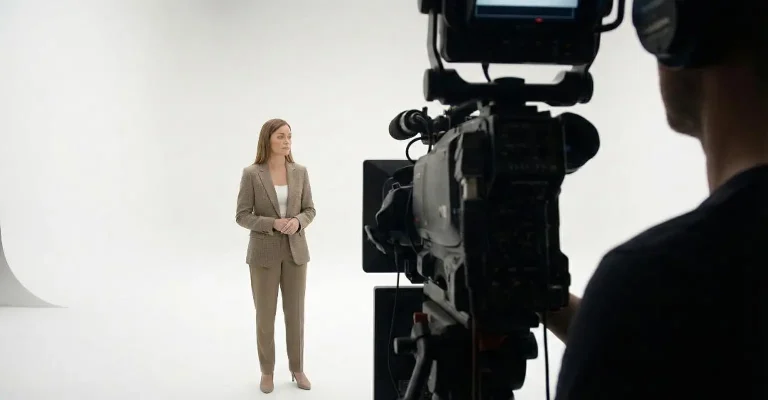
When it comes to Green Screen production, working with various production companies, individuals, and agencies, we frequently offer the same essential advice.
It’s remarkable how often film productions can go awry if the cast and crew are not adequately prepared for shooting on a greenscreen.

Based on our extensive experience supporting other film crews and clients, we’ve put together a comprehensive checklist. These tips will ensure you and your potentially less experienced clients are aligned, especially when time is tight. Ideally, clients should have a clear vision of the final project.
Even if they can’t visualise it during the green screen shoot, understanding the process filmmakers go through is crucial. Taking your time with this will set you and your clients up for a successful shoot day.
Ensure clients understand their deadlines for all materials, including scripts, presenter directions, and any physical movements or props (e.g., mobile phones, clipboards, services, messages).
Delays in these items can significantly impact your green screen production and extend the editing time required.
Before filming, aim to have storyboards approved by the client. Clear storyboards make it easier to finalise visuals. The more realistic the images, the more they will influence and satisfy the client.
Clarify the backgrounds before booking a Green Screen Studio Space or opting for a complete Production Package.
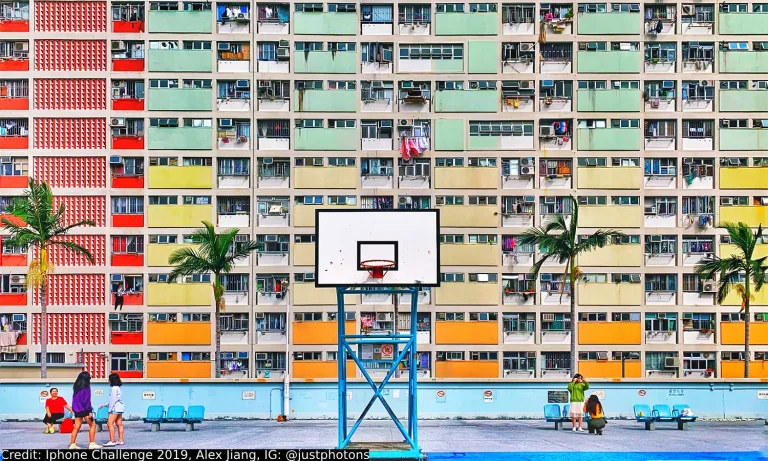
For instance, if your subject is positioned by a window in the chosen background, the lighting will be affected. Provide the background image to the cameraman for reference so they can adjust lighting accordingly.
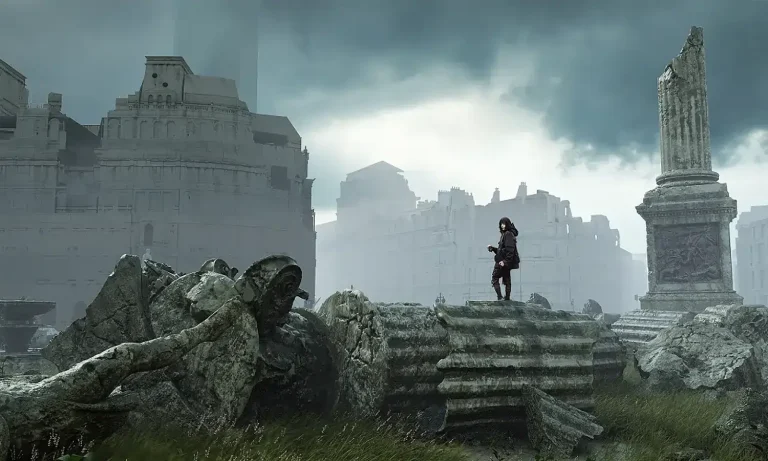
Both the production team and clients should have a clear understanding of the background footage, image, or matte color.
This is crucial for selecting clothing, makeup, lighting style, and positions. Consider an exterior shot with a sunset scene - low lighting and warm colors are essential, and everything else, from clothing to art direction, should match this setting.
A detailed storyboard is vital for ensuring everyone, from the cameraman to the lighting technician, understands the plan. Incorporate a detailed breakdown and shot list into the day’s schedule.
Remember, you don’t always need to shoot chronologically. Moving artists can disrupt continuity.
Whenever possible, avoid camera movements that require extensive planning and editing.
Also, try to avoid full-body shots as these need more lighting setups, making it harder to separate the subject from the background.
For full-body shots, a matte background is often the best option unless you're willing to invest in 3D backgrounds, which must be prepared before filming. Mid shots and anything above the knees are ideal, allowing for easier manipulation of stock background images.
When you are working on a green screen production, remember to follow our checklist:
1. Prepare a schedule of deadlines for everything from scripts to propsYour green screen production is essentially no different to any other shoot - plan thoroughly to ensure your final film matches your creative expectations.
When it comes to the green screen production, Broadley Studios has an impressive track record of working with all kinds of organisations and shoots to produce amazing films. We are THE green screen experts.
To get a flavour of what we can do for you, check out our latest showcase and studio specs. Or take a virtual tour of our studios.
To find out more about our studios, production services, green screen experience and how we can help you and your shoot, please call us on +442077255858 or email us at [email protected].